Mt. Kenya Network Forum (MKNF) has partnered with Green Conservatives, a youth climate group, to build something we have wanted for a long time: a platform where young people speak for themselves about the climate and environmental crisis they are already living through. This is not a one-off event. It is the beginning of a youth storytelling campaign, and it started with two meetings in August 2026.
Four questions, and no scripts
The first meeting was held online on 20 August 2026. MKNF was represented by Silas Mwaura and Ian Wachira, joined by Stephen Kariuki Kiboi, Executive Director and Founder of MKNF. On the other side of the call: the members of Green Conservatives.
We did not arrive with a programme to hand over. We arrived with four questions, and we spent the session working through them together.
Who is actually affected? Not in the abstract — which people, in which places, carrying which costs.
What are the real problems? Naming the environmental and climate issues as they show up in daily life, not as they appear in a report.
What solutions already exist? Because many of them do, and they are often already in the hands of communities.
And what can young people actually do? Not someday. Now, with what they already have.
Those questions did more work than a presentation would have. They turned a meeting into a conversation, and they made one thing obvious: the young people on that call were not waiting to be taught about climate change. They were already living inside it.
Ten sentences that started a campaign
The session closed with a single action point, and it is the reason this partnership has momentum. Every member was asked to write a personal profile — ten sentences, in their own words, covering five things:
Who they are. Their connection to conservation. The skills they bring. What they are already doing in their own community. And why any of it matters to them.
Ten sentences sounds small. It is not. Writing them forces you to decide what you actually believe and what you are actually doing about it — before anyone hands you a microphone. That exercise became the raw material for everything that followed.
We were deliberate about one thing from the start: no scripts. Nobody is being handed lines to perform. The point of this campaign is to showcase real talent and lived experience, not a rehearsed version of it.
No scripts. No performance. Real skills, real experience, real voices — young people speaking about the climate crisis as people living in it, not as people reading about it.
From reflection to production
The second meeting took place in person on 24 August 2026, with Stephen Kariuki joining as guest. If the first meeting was about thinking, this one was about making.
We began with the substance: fossil fuels and carbon, and why they sit at the centre of the environmental hazards facing our communities. The discussion connected the global argument to the local reality — the emissions locked in by continued fossil fuel expansion, the air people breathe, and the shifting seasons already reshaping farming, water and grazing across the Mt. Kenya region.
Then we moved to the part that turns understanding into something other people can see: a video storytelling project. Every member of Green Conservatives will record a short introduction video — their own face, their own voice, their own story.
A structure, not a script
To keep the videos coherent as a collection without flattening individual voices, the group agreed on a five-part structure. Everyone follows the same shape. Nobody is given the same words.
Introduction — who you are, in your own words.
Role — what you actually do in the group and in your community, explained clearly enough that a stranger understands it.
Importance — why that work matters, and what breaks if nobody does it.
Personal message — the thing you would say to other young people if you had their full attention for thirty seconds.
Closing — where you leave the viewer, and what you want them to carry.
Three action points came out of the meeting: members record their videos following that structure; roles are explained clearly rather than assumed; and the finished videos are edited together so that many individual stories carry one collective message.
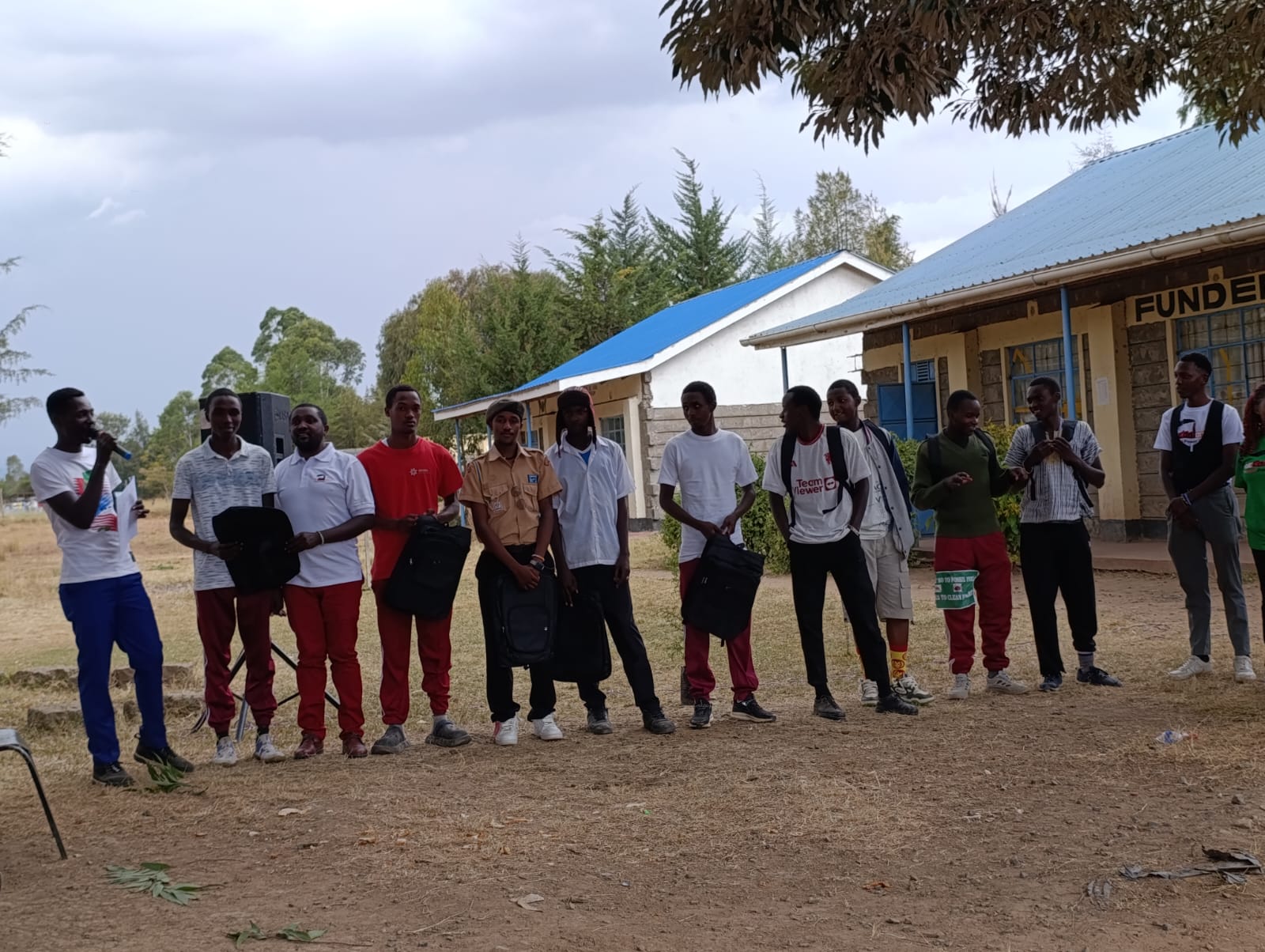
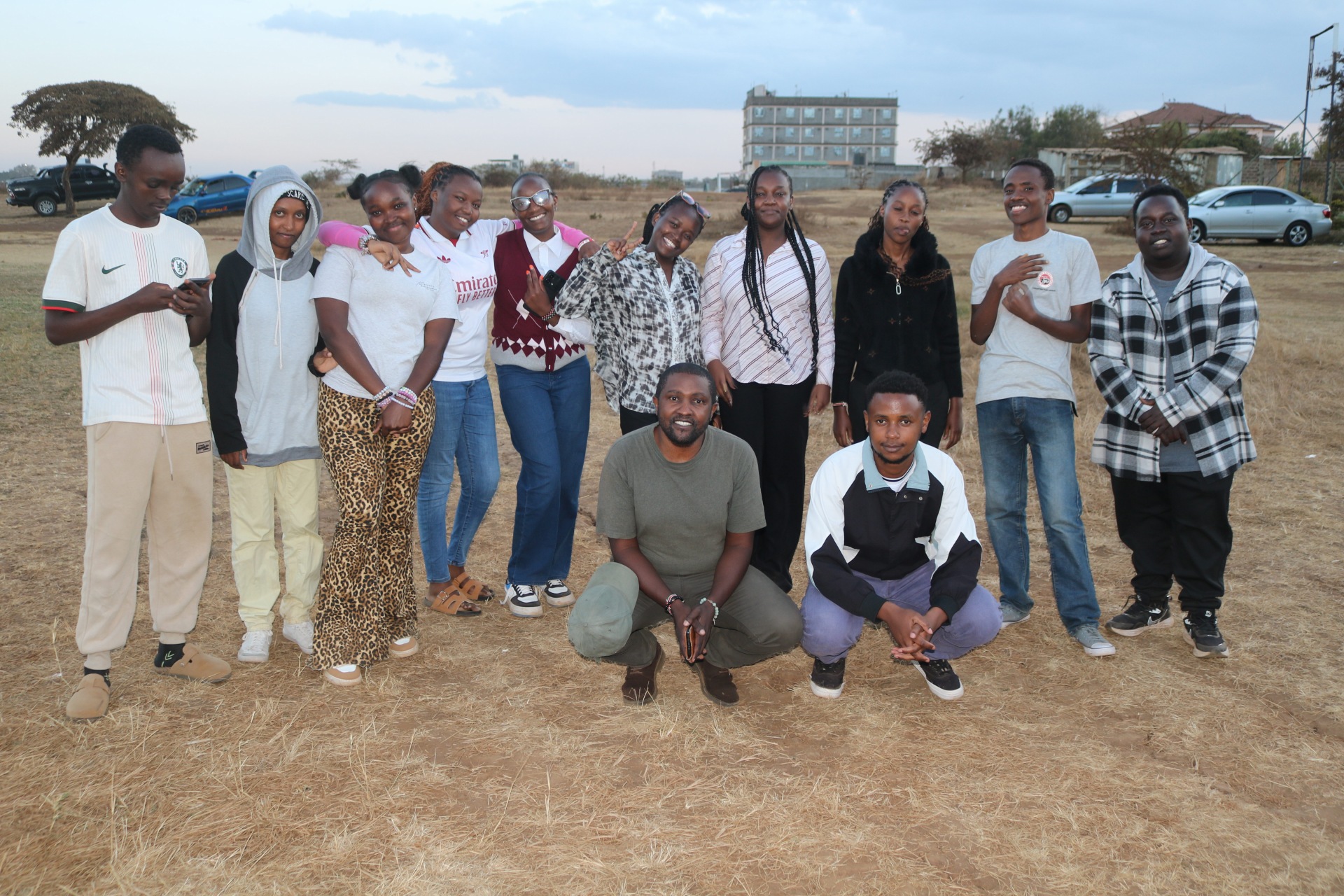
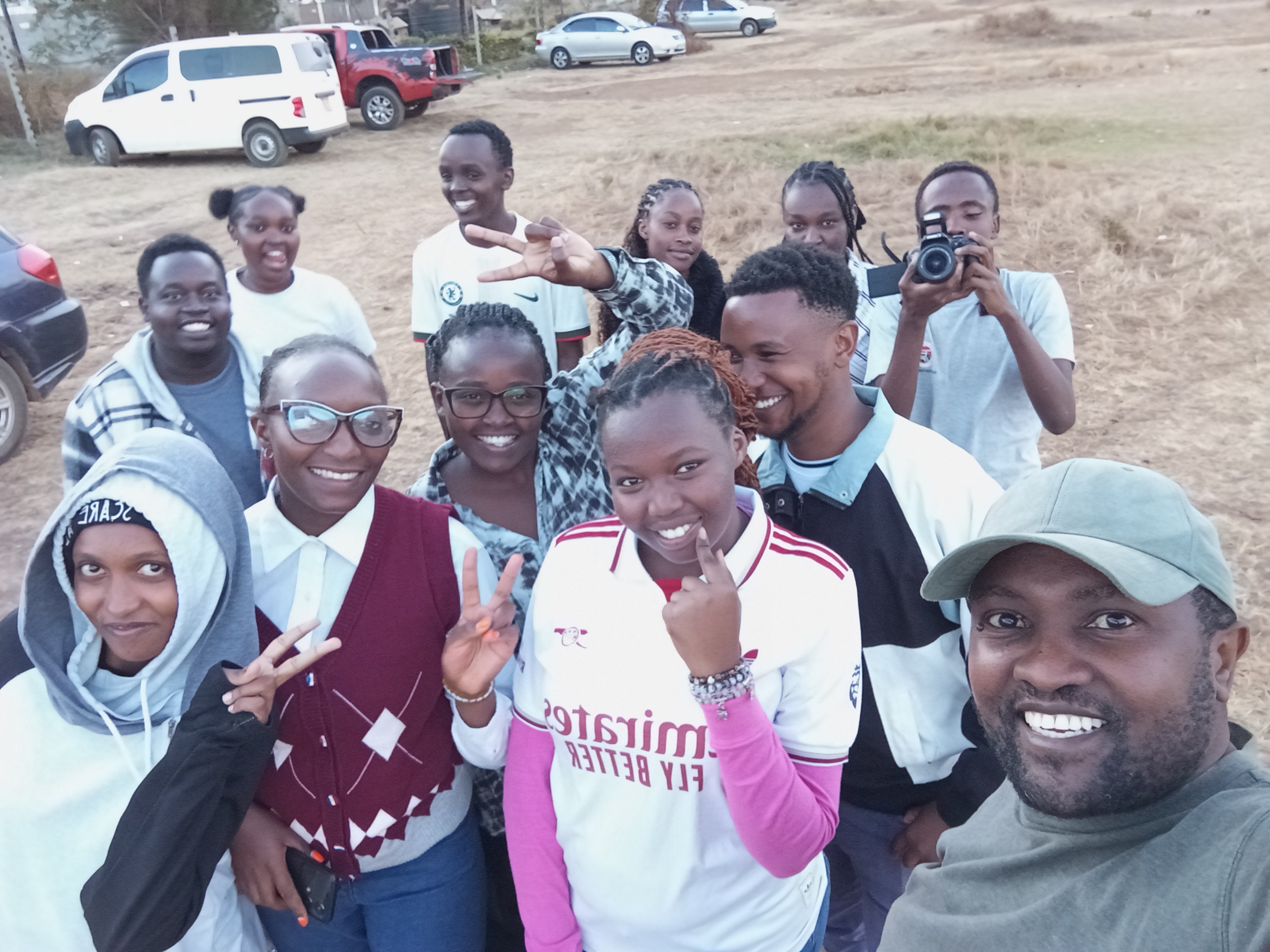 Green Conservatives and MKNF meet in person to plan the youth
video storytelling project — 24 August 2026.
Green Conservatives and MKNF meet in person to plan the youth
video storytelling project — 24 August 2026.
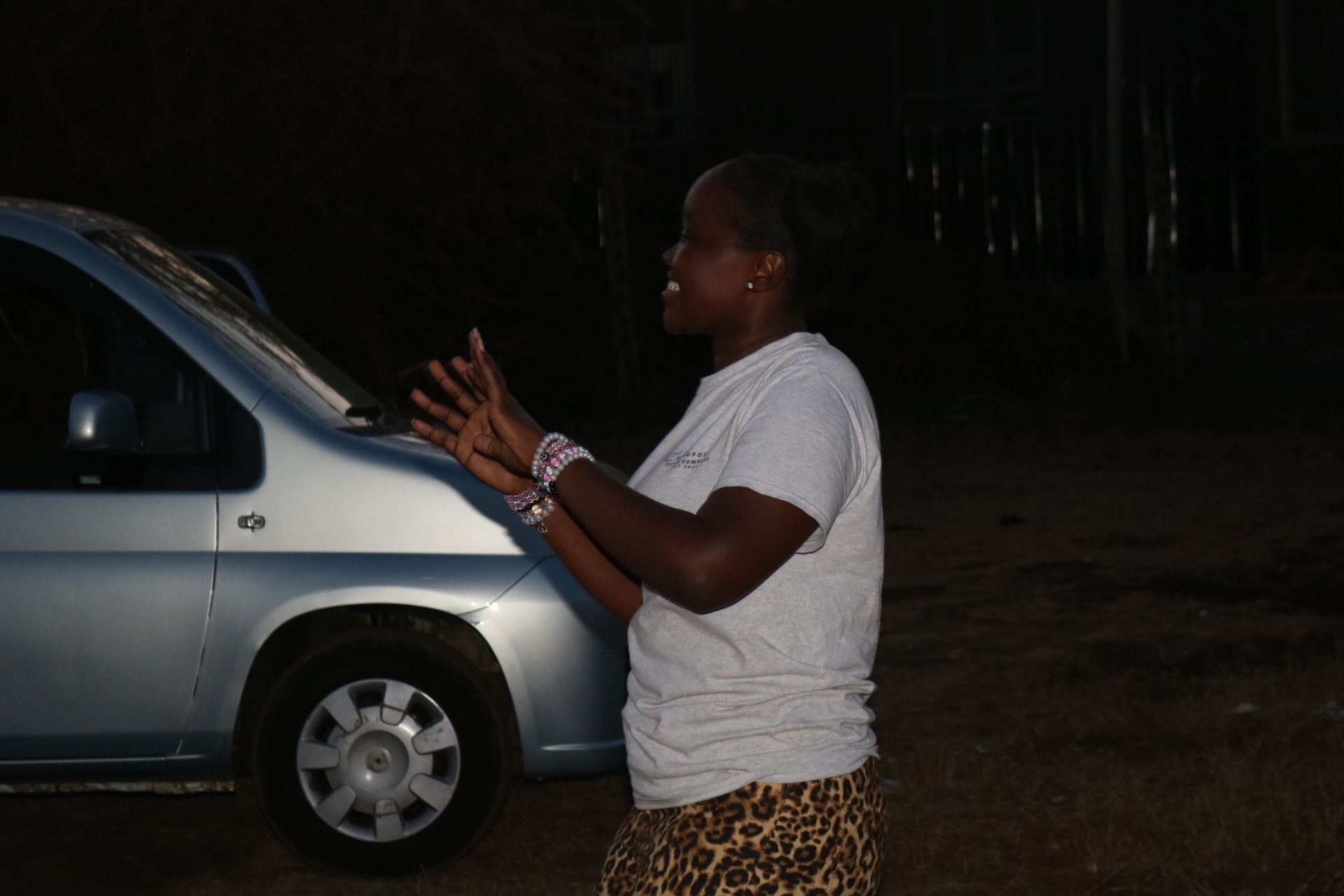 Working through fossil fuels and carbon as environmental hazards
before moving into production planning.
Working through fossil fuels and carbon as environmental hazards
before moving into production planning.
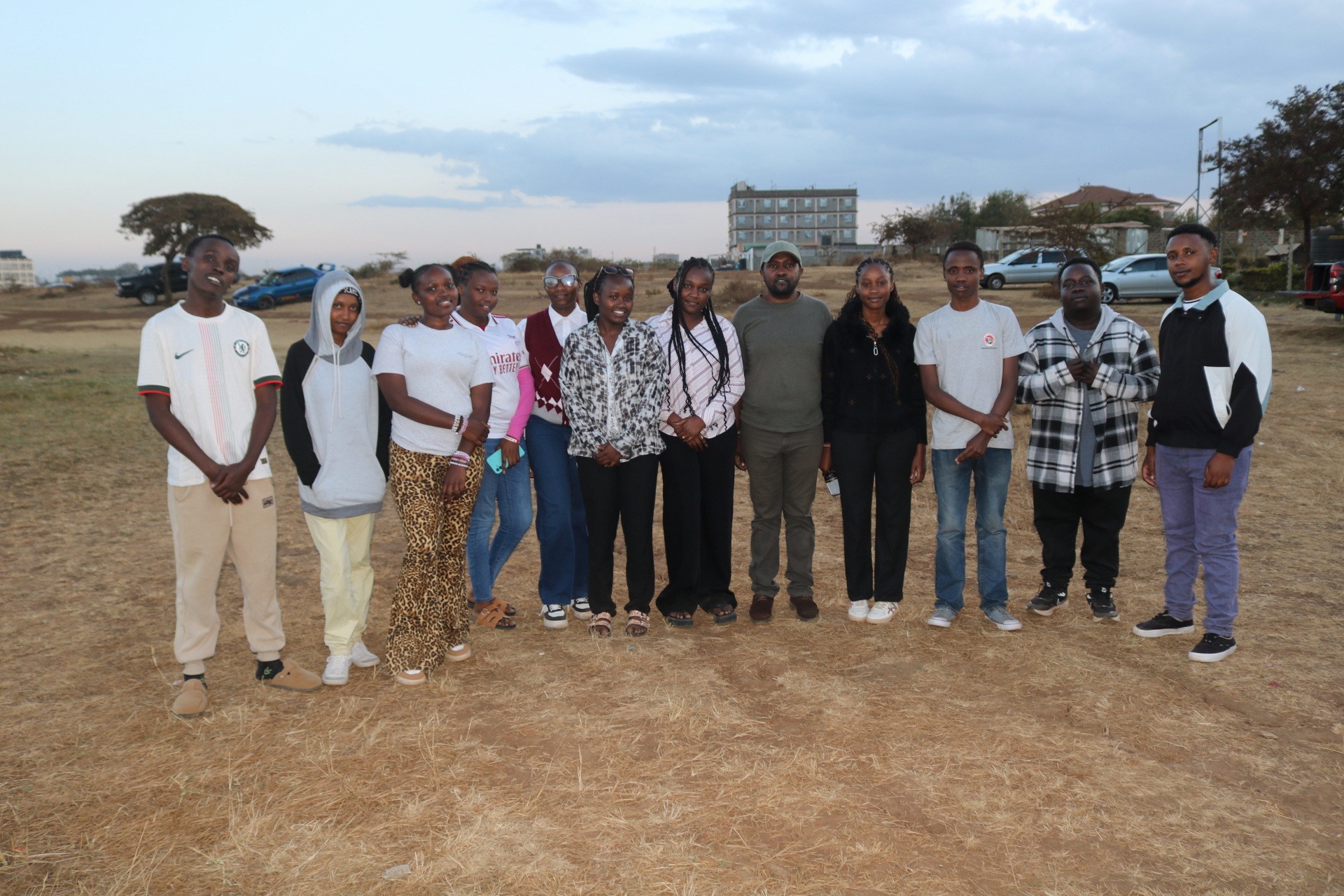 Agreeing the video structure: Introduction, Role, Importance,
Personal Message, Closing.
Agreeing the video structure: Introduction, Role, Importance,
Personal Message, Closing.
Why this partnership matters
Young people are among the groups most exposed to climate change and among the least represented in the rooms where climate decisions are made. That gap does not close because someone speaks on their behalf. It closes when they are visible, audible, and impossible to talk around.
MKNF’s role in this partnership is not to speak for Green Conservatives. It is to provide the platform, the technical support and the reach — and then stay out of the way of the content. What the members say is theirs.
The videos are coming
Recording is now underway. Members are working through the agreed structure, and the finished videos will be edited into a single collective message before publication. We will publish them here and across our channels as soon as they are ready.
This is a launch, not a summary. The best part of this campaign has not been posted yet.
To Green Conservatives — thank you for the seriousness you brought to both meetings. And to every young person reading this across the Mt. Kenya region and beyond: your future is being decided in conversations you are entitled to be part of. Say something.
In solidarity,
Mt. Kenya Network Forum Team
#MyFutureMyVoiceMyClimate
#GreenConservatives
#YouthForClimate
#ClimateJustice
#DeCOALonize
#StopCoal
#YouthVoices
#ClimateStorytelling
#ActOnClimate
#Sustainability
#AfricaRising
#ProtectOurPlanet